



Irregular technology bills disrupt cash flow for smaller operations. Steady arrangements and forward planning turn those costs into figures that can be managed with confidence.
Read more

Clear questions to the firm looking after your systems reveal the true strength of protection and ongoing checks. Local operators gain better control when they know exactly what is covered.
Read more
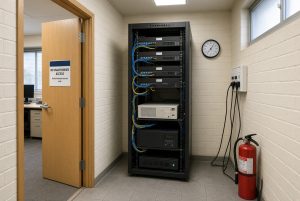
External platforms do not remove the need for sound physical conditions around remaining on-site equipment. Simple attention to power, temperature and access keeps local operators running more reliably.
Read more

Machines usually send quiet signals before they fail. Recognising slowdowns, odd noises and freezes early helps local enterprises avoid sudden interruptions.
Read more

Reusing the same login credential across services creates a single point of failure. Local operators reduce exposure by assigning unique credentials and managing them with simple tools.
Read more

Reused or poorly stored login details create unnecessary risk. A simple organised approach helps local operators protect access without adding heavy daily work.
Read more

Technology guidelines only succeed when they are short, clear and relevant to daily tasks. Local operators achieve better consistency with simple rules people understand and accept.
Read more

Advertised connection speeds rarely tell the full story for business use. Shared capacity, upload limits and support priorities shape daily performance in ways providers seldom highlight.
Read more

Placing public pages and the message system on the same resources creates avoidable links between them. Independent arrangements improve reliability and simplify management for local enterprises.
Read more

Microsoft 365 environments arrive with open defaults that need deliberate tightening. Local operators gain stronger boundaries and fewer surprises when the right controls are applied early.
Read more